
From coffee cherry to moment of joy: this is how we make our specialty coffee
Brewing coffee takes a few minutes. Making coffee takes a lot longer. Before your filter coffee or espresso is sitting in front of you, it has already been on quite a journey—from a coffee cherry on a plantation to a green coffee bean, then through the roaster, and finally back to the barista, who ultimately turns it into your favorite cup of coffee.
It’s a long journey, but one that we at Anne&Max strive to keep as short as possible. We know the people behind our coffee, know where our beans come from, and consciously choose a supply chain where quality and a fair price go hand in hand. How is coffee made for Anne&Max? We’ll take you on a journey from coffee cherry to cappuccino.
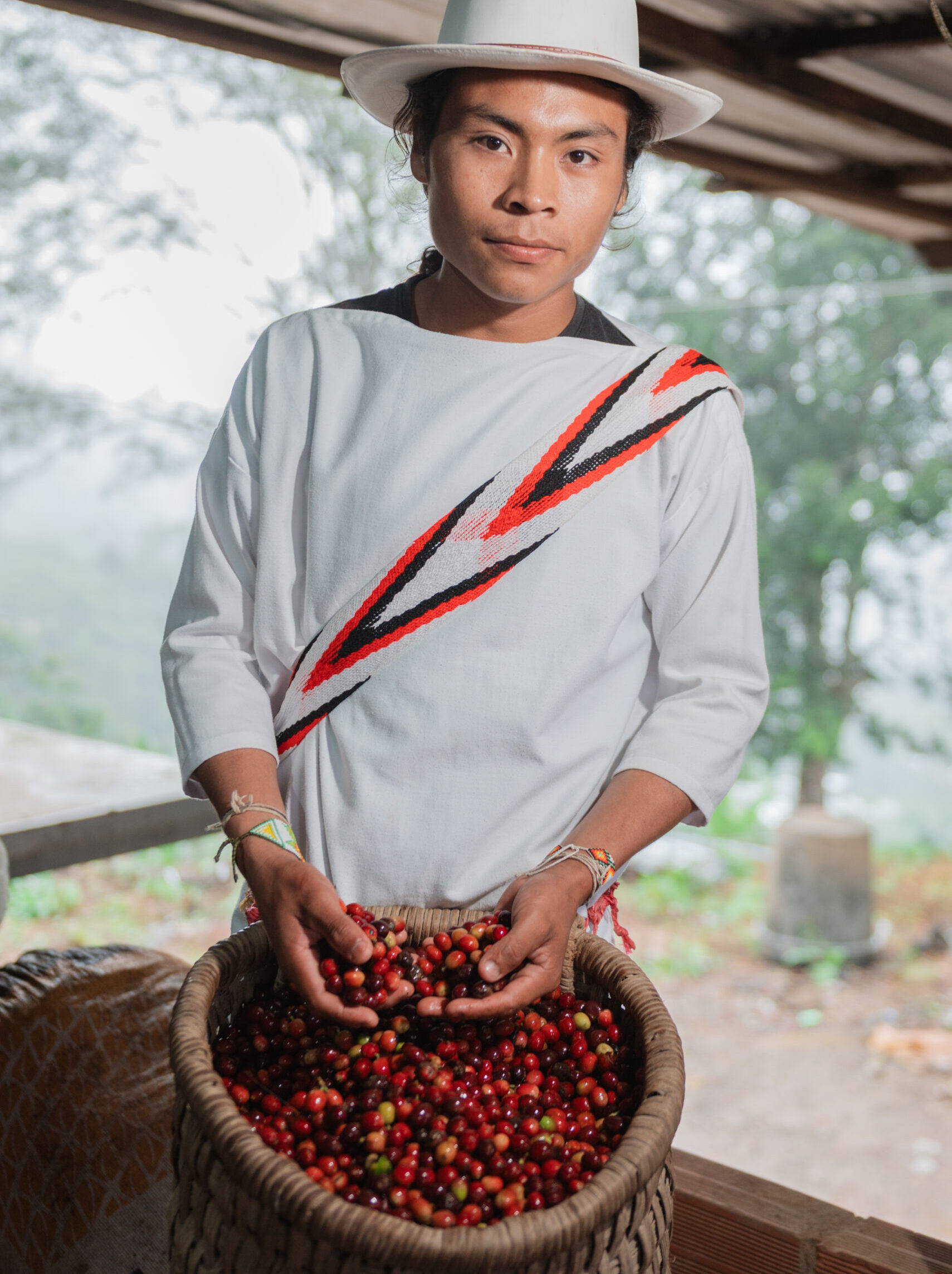
It starts with the coffee farmer
Before a coffee bean becomes what you probably recognize as such, it is actually a seed hidden inside the coffee cherry: a fruit that grows on a coffee plant. Our coffee cherries grow at high altitudes in Peru. They are harvested when ripe and then processed. The pulp is removed, after which the beans are washed and dried. What remains is what we know as green coffee. This is what coffee is made from.
And that’s where an important part of the story begins for us. We don’t just want to know where our coffee is grown—we also want to know who grows it. That’s why we work through direct trade. This means there are as few intermediaries as possible between the coffee farmer and us. This way, we have a better understanding of where our coffee comes from, we can agree on quality standards, and farmers can receive a fair price for the work they do.
Because, as far as we're concerned, a delicious espresso tastes a lot better when it also brings joy to the people at the beginning of the supply chain.
the link between the farmer and the distiller
After the harvest, the green coffee must eventually be transported from its country of origin to the Netherlands. We work directly with coffee farmers and cooperatives in Peru; we serve as the link between the people who grow our coffee and the roaster who will eventually bring out all its flavor. During this phase, the coffee is selected, inspected, and transported to the Netherlands, among other things. Precisely because the supply chain is short, we have a much better understanding of what happens at the beginning of our coffee supply chain. For us, coffee isn’t just an anonymous bag of beans purchased somewhere, but a product with a provenance, a story, and people we know.
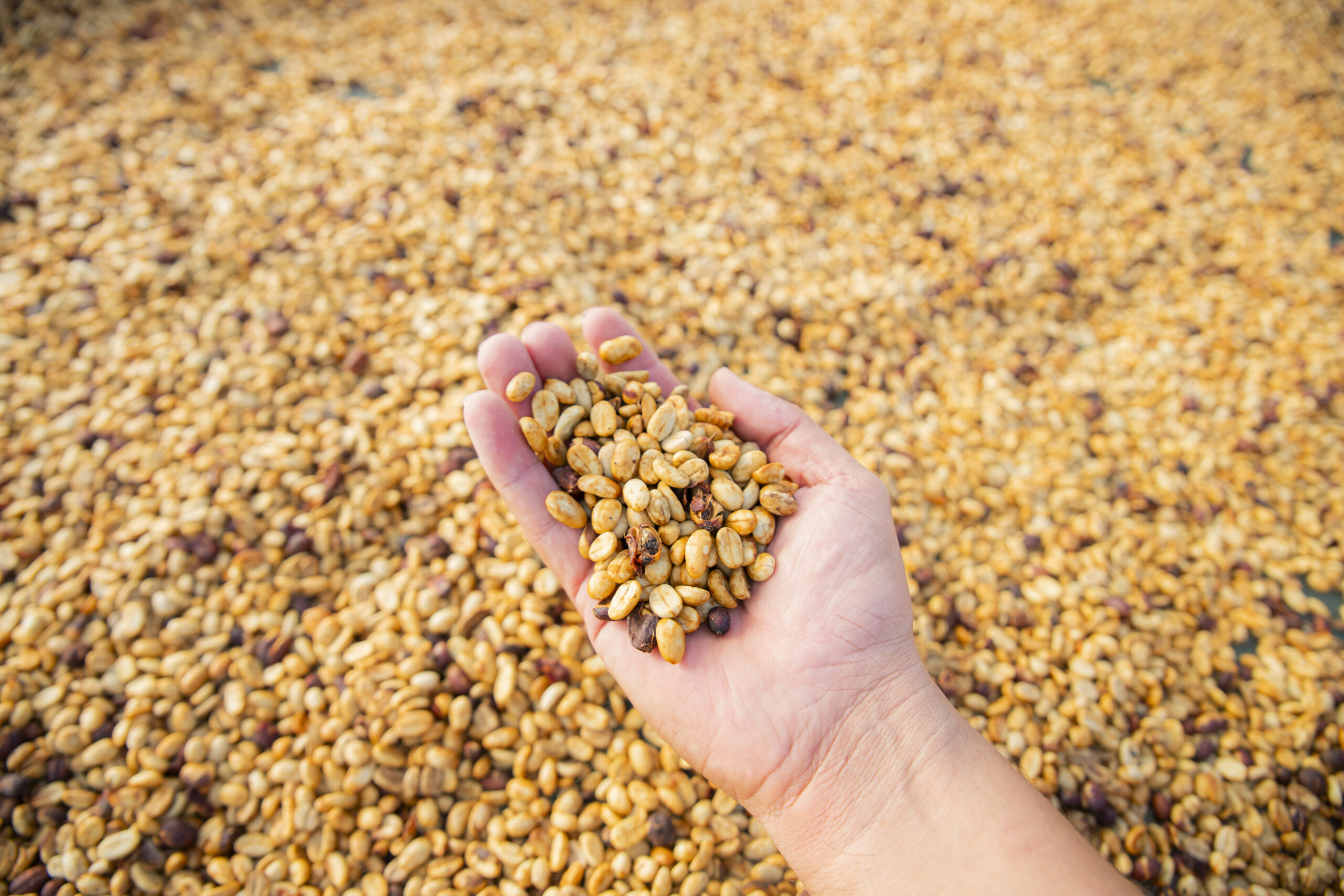
roasting coffee beans
The coffee has now arrived in the Netherlands, but you can’t make a cappuccino with those green coffee beans just yet. First, they have to be roasted by a coffee roaster. During the roasting process, the green beans are heated, causing them to change in color, aroma, and flavor. The heat brings out the aromas that you’ll later recognize in your espresso—think chocolate and nuts, but also fruity or even spicy flavors.
How long and how a coffee bean is roasted has a significant impact on the final result. A coffee roaster therefore considers the characteristics of each coffee and selects a roast profile that brings out those flavors as beautifully as possible.
The final step toward your cappuccino
So we’ve finally arrived at the part you’ve probably been most eager to see: the coffee machine. Our baristas are the final link in the coffee-making process. They ensure that all the work done before they take over ends up perfectly in your cup.

It all starts with the right grind. How finely or coarsely the coffee is ground determines how quickly water extracts the flavors from the coffee. Then there are the amount of coffee, the water, the temperature, and the brewing method to consider. An espresso requires something very different from a coffee than, for example, a Chemex, AeroPress ( French press), or filter coffee.
That’s why our baristas carefully calibrate the coffee grinders for each batch of organic coffee beans and continue to taste and adjust them throughout the day. After all, coffee is a natural product. No two days—or beans—are exactly the same.
And then, of course, there’s (oat) milk. For a cappuccino or latte, it’s frothed until it’s soft and creamy, and then a heart or a swan appears on top. Of all the steps involved in making coffee, this is the shortest, but it’s the one you ultimately taste.
What is direct trade?
In direct trade, the lines of communication between the coffee farmer, the buyer, and the roaster are as short as possible and completely transparent. This provides insight into where the coffee comes from, the conditions under which it is produced, and the price paid for it. For Anne&Max, this means, above all, knowing who is behind our coffee.
Why does Anne&Max pay more than the market price for coffee?
Because a low coffee price ultimately affects someone somewhere in the supply chain. We prefer to build long-term partnerships and set a price that allows coffee farmers to invest in their businesses, their coffee, and its future. That way, we work together to produce better coffee, rather than just cheaper specialty coffee.

How is coffee made?
To summarize briefly: coffee begins as coffee berries on a coffee plant. The ripe berries are picked and processed, after which the seeds are dried to become green coffee beans. Those beans are shipped to the Netherlands, roasted, and finally ground and brewed at Anne&Max.
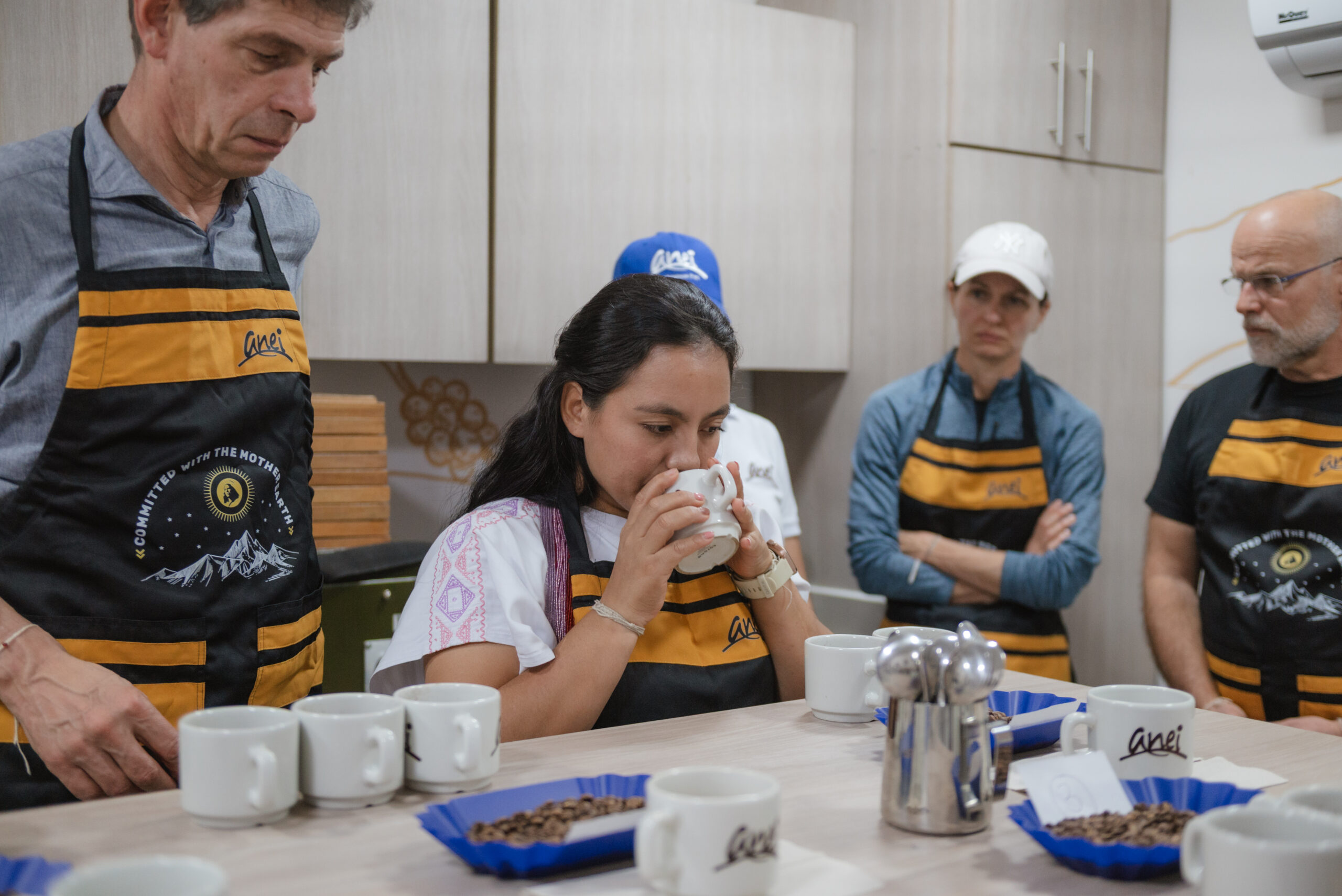
Is every cup of coffee made the same way?
No. Origin, coffee variety, processing, and roasting all influence the flavor. And even at home or in our living rooms, there are endless possibilities. The same coffee tastes different when brewed in an espresso machine than when brewed in an AeroPress, Chemex, or French press.
Wondering how that affects your coffee? Find out which brewing method is right for you.